
A room does not always need a dramatic makeover to feel different. Small decorative adjustments can change the way a space looks, feels, and functions without requiring new furniture or extensive renovations.
Whether a room feels plain, outdated, or simply ready for a change, paying attention to smaller details can create a noticeable difference. The key is to make intentional choices that complement the space rather than overwhelming it.
Update a Single Surface
You can create visual interest by focusing on one surface at a time. A coffee table, console, shelf, or bedside table can become an opportunity for a simple decorative update.
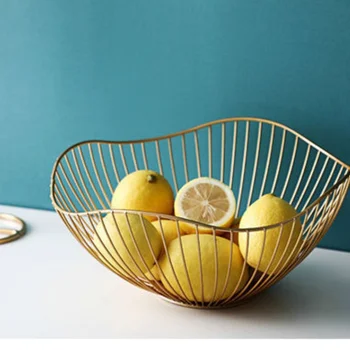
Try arranging a few complementary items instead of covering the entire surface. A vase, decorative container, small object, or stack of books can create a balanced display while leaving enough open space for everyday use.
Add Height and Dimension
Rooms can sometimes look flat when everything sits at the same level. Introducing different heights can make a display more visually interesting.
For example, combine a taller vase with smaller decorative pieces or place items on different levels of a shelf. Varying height helps create a more dynamic arrangement without adding a large number of objects.
Use Mirrors Strategically
A well-placed mirror can have a significant visual effect on a room. It can reflect light and create the impression of additional depth, particularly in smaller or darker areas.
Consider placing a mirror where it can reflect a window, attractive feature, or open part of the room. The frame can also contribute to the overall decorative style.
Introduce a Subtle Color Accent
You do not need to completely change your room’s color scheme to introduce something new. A small accent color can provide contrast and draw attention to specific areas.
Choose a shade that complements the existing palette and introduce it through smaller items such as cushions, vases, artwork, containers, or other accessories. Keeping the accent color limited can make the update feel intentional rather than overwhelming.
Refresh Your Shelving
Open shelves can quickly become visual focal points, especially when they are positioned in living rooms, bedrooms, kitchens, or entryways.
Instead of filling every available space, create a mixture of decorative and useful items. Leave some areas open and group similar pieces together to create a cleaner, more organized appearance.
Change the Arrangement of Decorative Objects
Sometimes the items themselves are not the problem—the arrangement simply needs a refresh. Moving a few objects into different positions can make a familiar display feel new.
Experiment with grouping items by size, material, or shape. You can also rotate seasonal or less frequently used pieces so your décor does not always look exactly the same.
Pay Attention to Empty Corners
An empty corner does not necessarily need to remain unused. A small plant stand, basket, floor lamp, or decorative piece can help connect the corner with the rest of the room.
However, avoid filling every empty area. Negative space can help a room feel less crowded and allows important decorative features to stand out.
Think About the Overall Balance
After making several small changes, step back and look at the room as a whole. Check whether one area feels too busy while another looks unfinished.
The goal is not to make every part of the room equally decorated. Instead, aim for a comfortable visual balance where furniture, decorative pieces, and open space work together.
Small changes can have a surprisingly strong effect on a room. By updating individual surfaces, introducing different heights, adjusting displays, and adding carefully selected accents, you can give your space a fresh appearance without committing to a major makeover.
Explore our product collection for decorative and practical pieces to complement your home.




0 Comments